
If you drive a newer diesel truck, van, or commercial vehicle, chances are you have heard of Diesel Exhaust Fluid, better known as DEF. We get a lot of questions about it at our shop. Some drivers know they need to refill it, but are not exactly sure what it does. Others assume it is some kind of fuel additive or that it is optional as long as the engine seems to be running fine. It is easy to see why there is confusion.
DEF is one of those things many diesel owners deal with regularly without fully understanding how important it really is. The truth is, it plays a major role in how modern diesel vehicles meet emissions standards and stay operating the way they are supposed to. If the DEF system is ignored, contaminated, or allowed to run dry, it can create headaches that go far beyond a simple warning message on the dashboard.
From our perspective, DEF is not something diesel owners need to fear, but it is definitely something they need to understand. Once you know what it is and why it matters, it becomes much easier to take proper care of your vehicle and avoid unnecessary problems.
What DEF Actually Is
Diesel Exhaust Fluid is a specially formulated liquid made from purified water and urea. It is not diesel fuel, and it does not go into your fuel tank. That is one of the first things we clear up when customers ask about it. DEF has its own separate tank and is used only by vehicles equipped with selective catalytic reduction, often called an SCR system.
The purpose of DEF is to help reduce harmful emissions coming from diesel engines. Modern diesel vehicles are designed to be much cleaner than older generations, and DEF is a big part of making that possible.
Even though the name includes the word “fluid,” DEF is not there to lubricate the engine or improve fuel quality. Its job is tied specifically to the emissions system.
How DEF Works
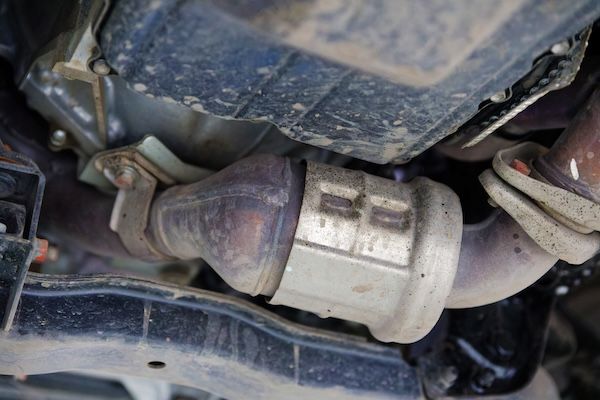
When your diesel engine produces exhaust, that exhaust contains nitrogen oxides, commonly called NOx. Those emissions are one of the main pollutants emissions systems are designed to reduce. DEF is injected into the exhaust stream, where it helps break those nitrogen oxides down into nitrogen and water vapor, which are far less harmful.
That process happens inside the SCR system, and when everything is working properly, it allows the vehicle to meet emissions requirements without sacrificing the benefits diesel engines are known for, like torque and efficiency.
That is why DEF matters so much. It is not a random extra fluid manufacturers decided to add for fun. It is part of a carefully designed system that allows modern diesel vehicles to operate more cleanly and legally.
Why DEF Matters More Than Some Drivers Realize
A lot of drivers think of DEF as just another maintenance item, somewhere in the background like windshield washer fluid. But DEF is more important than that because the vehicle is designed to depend on it. If the DEF level gets too low or the system detects a problem, many diesel vehicles will respond with warning lights, reduced performance, or even a no-start condition after shutdown until the issue is corrected.
We have seen situations where a driver put off topping off DEF because the vehicle still seemed fine, only to end up with a much bigger inconvenience later. Manufacturers build in these protections because the emissions system is not optional equipment. The vehicle is required to be maintained.
That means staying on top of DEF is not just about avoiding a light on the dash. It is about keeping the vehicle road-ready and avoiding interruptions to work, travel, or daily use.
Common Misunderstandings About DEF
There are a few myths about DEF that come up all the time in our shop, and clearing them up can save diesel owners a lot of frustration.
- DEF is not a fuel additive. It never goes in the diesel tank. Putting it there can cause serious damage.
- DEF is not optional. If your vehicle requires it, running without it can trigger performance restrictions.
- DEF does not improve horsepower. Its role is emissions control, not engine performance tuning.
- DEF can go bad. It needs to be stored properly and kept free from contamination.
Those points may sound simple, but they matter. A surprising number of diesel system problems start with incorrect handling, poor storage, or confusion about what DEF actually does.
What Happens If DEF Runs Low Or Runs Out
Most modern diesel vehicles give drivers plenty of warning before DEF becomes a serious issue. You may first see a message letting you know the fluid level is low. Ignore that long enough, and the warnings usually become more urgent. Depending on the vehicle, you may eventually see reduced power or a countdown until the vehicle will not restart after being shut off.
This catches some people off guard because they assume the engine should keep running normally if the truck still has diesel fuel in it. But the DEF system is monitored, and the vehicle knows whether the emissions system can do its job.
That is why we always tell diesel owners not to treat a DEF warning like something they can deal with “whenever they get around to it.” It is much easier to refill it early than to deal with restrictions later.
Contamination Is A Bigger Deal Than People Think
One of the biggest DEF-related issues we see is contamination. DEF has to be pure to work properly. Even small amounts of dirt, fuel, oil, or the wrong fluid can create real problems in the tank or SCR system. Using poor-quality fluid or storing it improperly can also lead to trouble.
DEF is sensitive to contamination because the system that uses it is precise. If the fluid quality is compromised, sensors may detect it, warning lights may come on, and system components may not function as intended.
That is why using the correct product, keeping containers sealed, and avoiding makeshift storage methods really matters. This is not the kind of fluid you want to guess about.
Signs There May Be A DEF Or SCR System Problem
Sometimes the issue is as simple as low fluid. Other times, the DEF system itself may need diagnosis. A few common warning signs include:
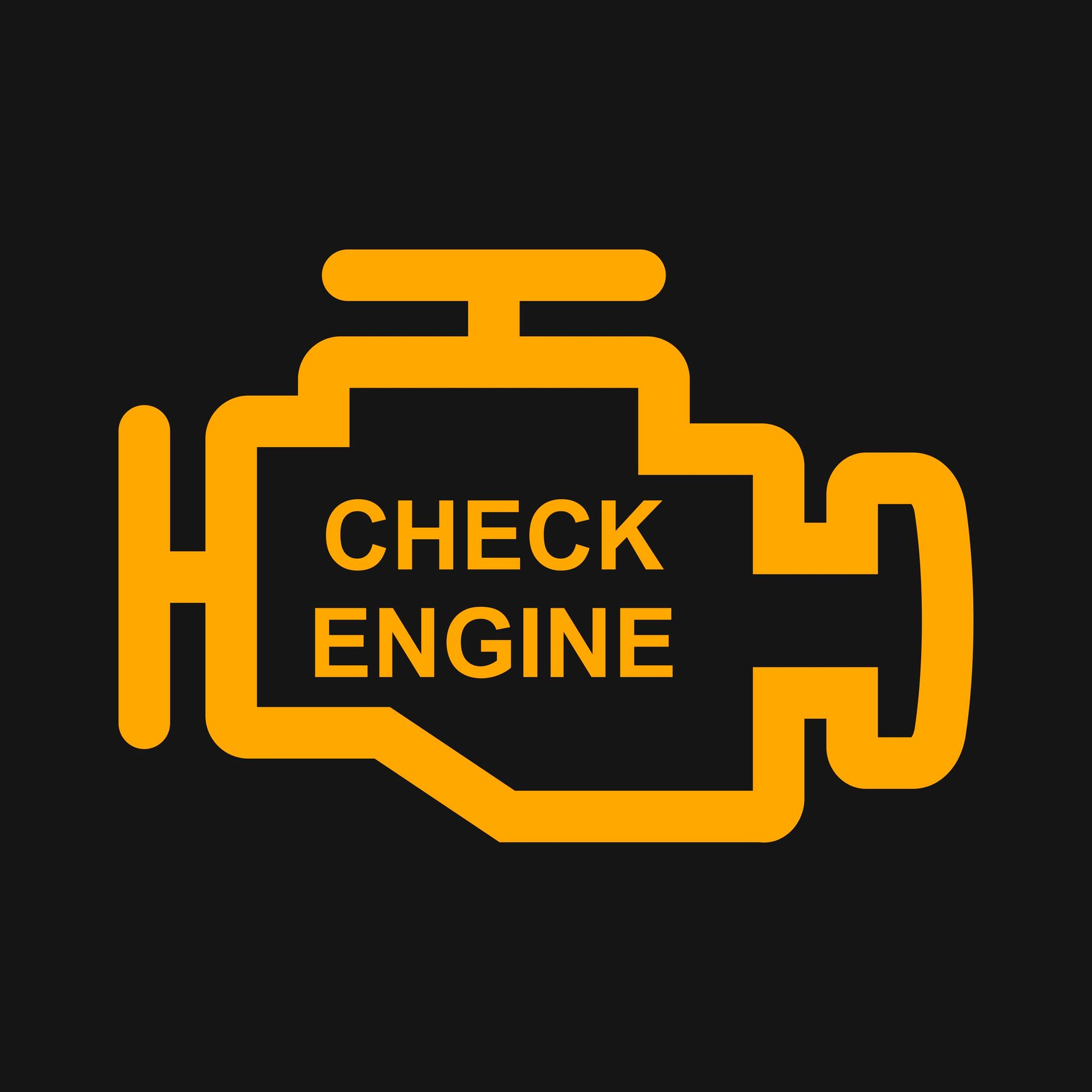
- DEF warning messages or a check engine light
- Reduced power or limp mode
- Trouble clearing DEF-related alerts after refill
- Crystallized residue around the DEF filler area
- Repeated emissions system warnings
These symptoms do not always mean the same repair is needed, but they do mean the system should be checked. Modern diesel emissions systems involve sensors, injectors, heaters, tanks, lines, and control modules. If one part of the system stops working correctly, the vehicle may respond quickly.
Why Regular Diesel Maintenance Still Matters
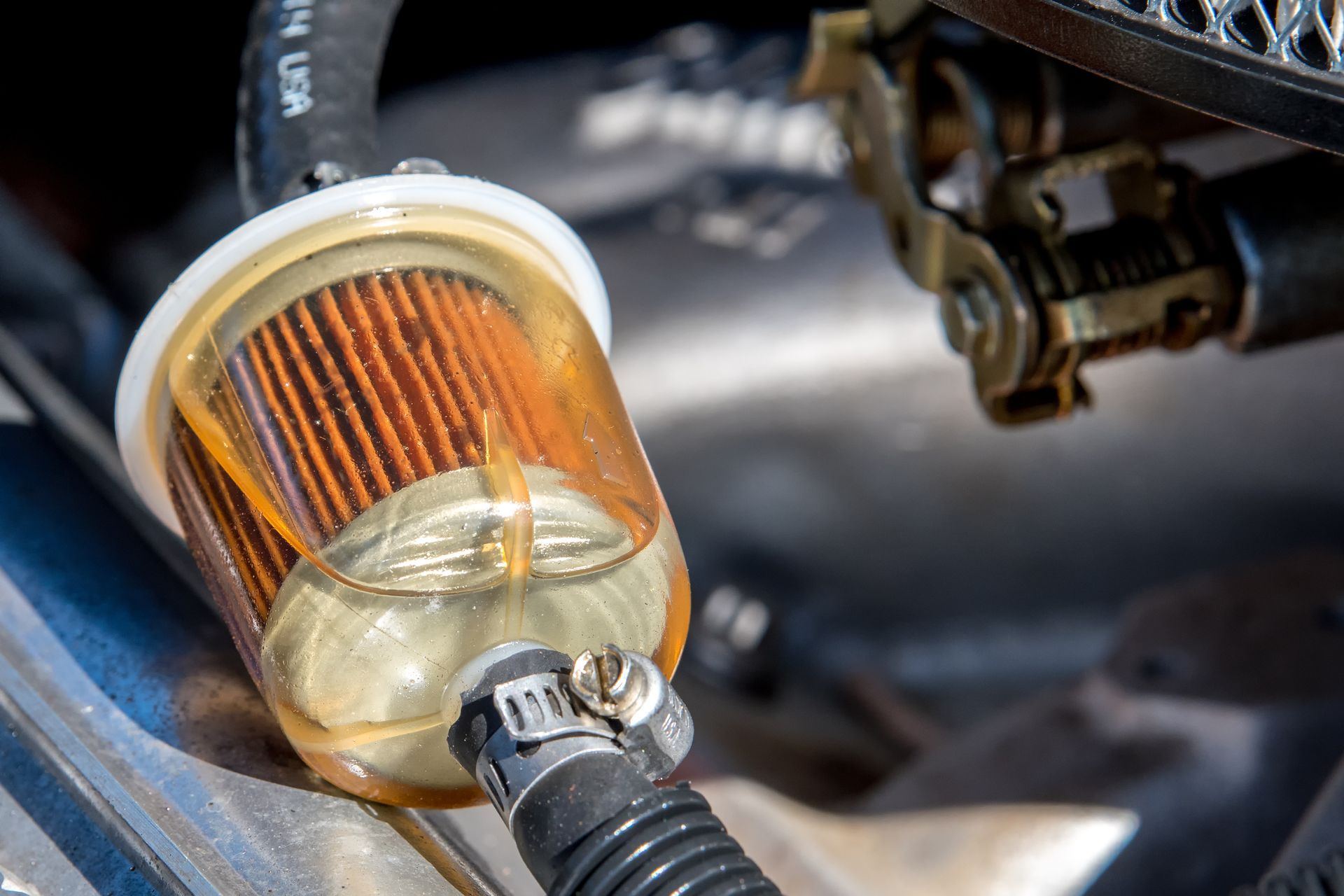
DEF is important, but it is only one part of the bigger picture. Diesel vehicles need regular maintenance to keep the emissions system and engine working together the way they should. Problems with sensors, filters, injectors, or exhaust components can all affect how the DEF system performs.
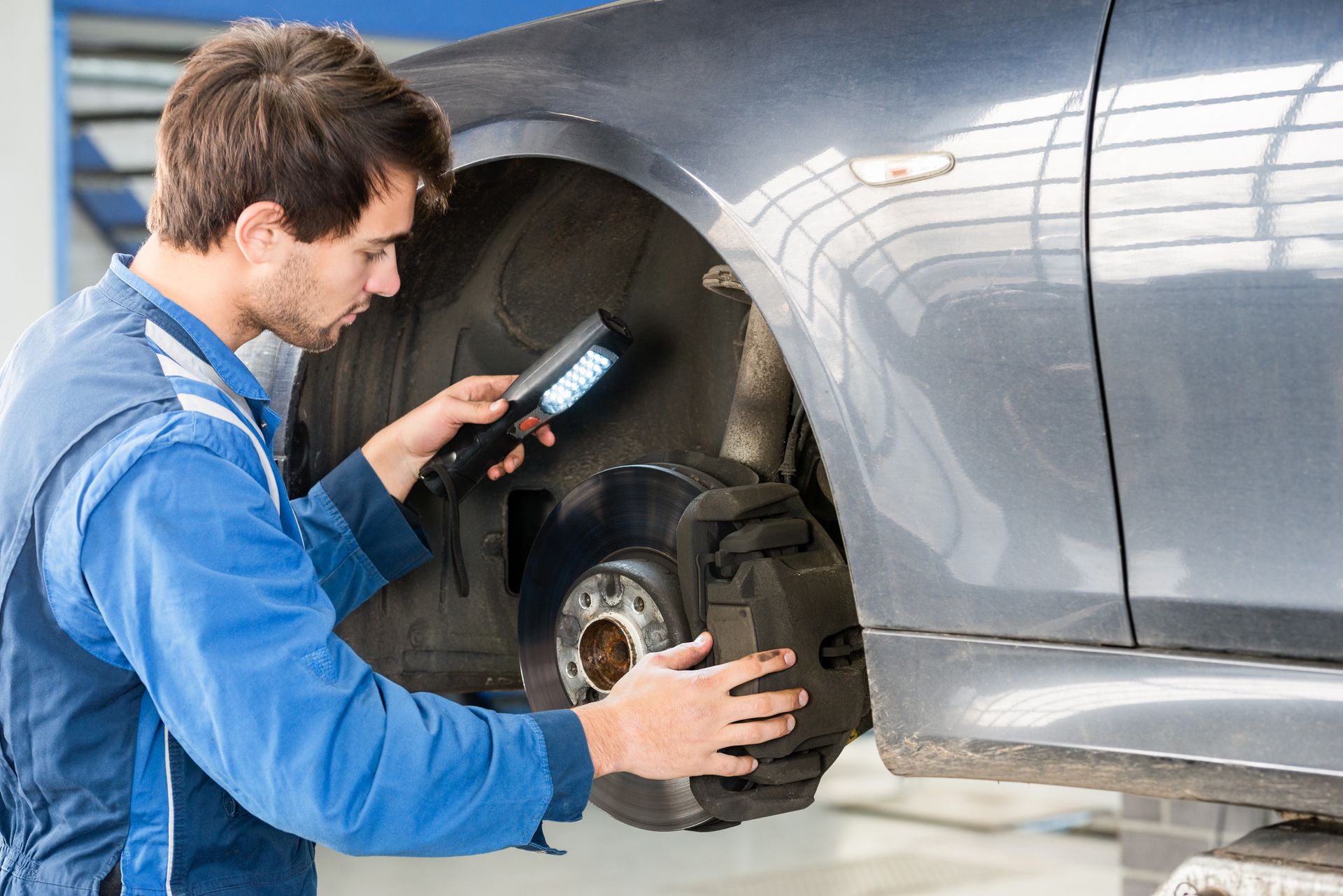
That is one reason we encourage diesel owners not to wait for multiple warning lights before visiting the shop. Staying ahead of maintenance helps reduce the chances of expensive downtime and makes it easier to catch smaller issues before they spread through the system.
For people who rely on their diesel vehicle for work, that matters even more. A preventable emissions issue can quickly become a scheduling and productivity problem if the vehicle is sidelined.
Taking Care Of DEF The Right Way
The good news is that DEF is not difficult to manage once you know the basics. Using the right fluid, refilling it when warned, storing it properly, and paying attention to warning messages goes a long way.
A few good habits make a difference:
- Refill DEF before the level gets critically low
- Use the correct DEF product from a trusted source
- Keep the filler area and containers clean
- Do not ignore warning messages related to the emissions system
- Have recurring DEF or SCR issues inspected promptly
These steps are simple, but they can help prevent a lot of frustration.
Diesel Exhaust Fluid may not be the most exciting part of owning a diesel vehicle, but it is an important one. It helps modern diesel engines meet emissions standards, supports proper SCR system function, and plays a direct role in keeping your vehicle operating normally. Ignore it, misuse it, or let the system develop problems, and the consequences can get inconvenient fast.
Visit Sean's Auto Care for Diesel Service and Repair
If you have questions about DEF, your diesel emissions system, or warning lights on your dashboard, bring your vehicle to
Sean's Auto Care in Van Nuys, CA. We can inspect the DEF system, diagnose emissions-related issues, and help keep your diesel vehicle running the way it should. Call us today or stop by to schedule a diesel system service.