
A flashing check engine light is one of the few warnings that deserves your full attention, even if the car still feels mostly normal. It usually shows up at a bad time, like on a commute or while you are trying to get somewhere quickly. The confusing part is that the car may keep running fine enough to tempt you into pushing it.
Here is what that flashing light is trying to tell you.
Why A Flashing Light Is Different Than A Steady Light
A steady check engine light often means the computer noticed a fault and stored it, but the vehicle is not seeing a severe problem at that moment. A flashing light usually means the problem is happening right now and it is serious enough that continued driving can cause damage.
Most commonly, the system is detecting an active misfire. That means one or more cylinders are not burning fuel consistently, so raw fuel can reach the exhaust system. That is the scenario the car is warning you about when it flashes instead of staying steady.
What Usually Triggers A Flashing Check Engine Light
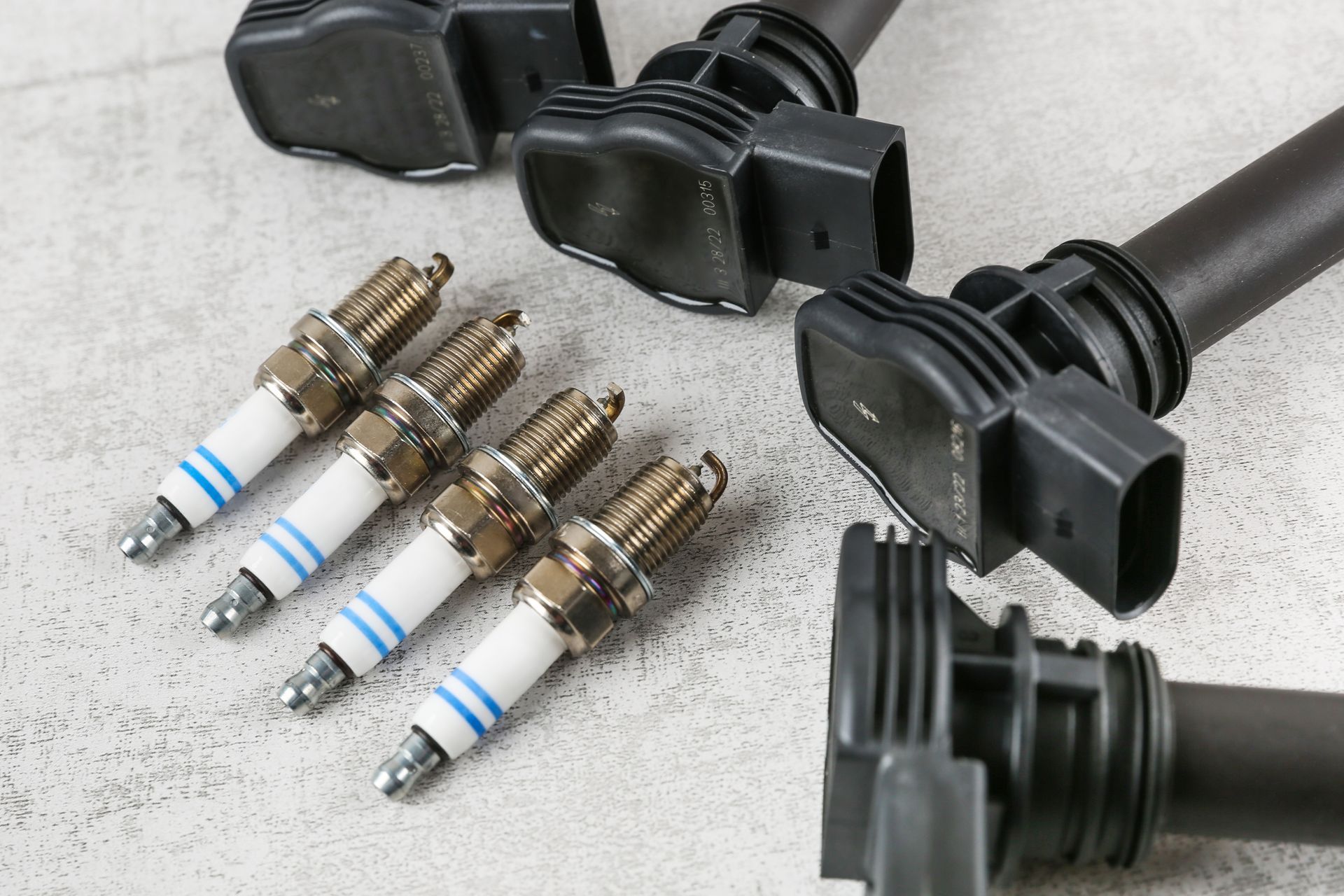
Misfires are the big one, and they can come from ignition parts like spark plugs or coils, fuel delivery issues, or airflow problems that throw off the mixture. Sometimes it starts as a mild stumble under load, then turns into a more obvious shake at idle. Other times it feels like the engine is cutting out briefly during acceleration.
There are also cases where a severe sensor or control issue can trigger rough running that looks like a misfire. The important point is that the car is detecting a combustion problem, not just a minor efficiency issue. If it started right after fueling, that detail is worth remembering, but it is still not a reason to keep driving hard.
How To Decide If You Can Keep Driving Right Now
If the light is flashing, treat it like a reduce-driving situation, not a finish-your-day situation. Ease off the throttle, avoid hills if you can, and do not keep accelerating hard to see if it clears. If the vehicle starts shaking heavily, loses power, or sounds rough, it is safer to pull over and shut it down.
If you are close to home or a shop and the engine feels only mildly rough, you may be able to limp it a short distance at low speed. Keep loads low, keep RPM modest, and avoid stop-and-go if you can. If the car is stumbling badly or the flashing is constant, plan on towing instead of trying to stretch it.
Quick Checks You Can Do Safely At The Roadside
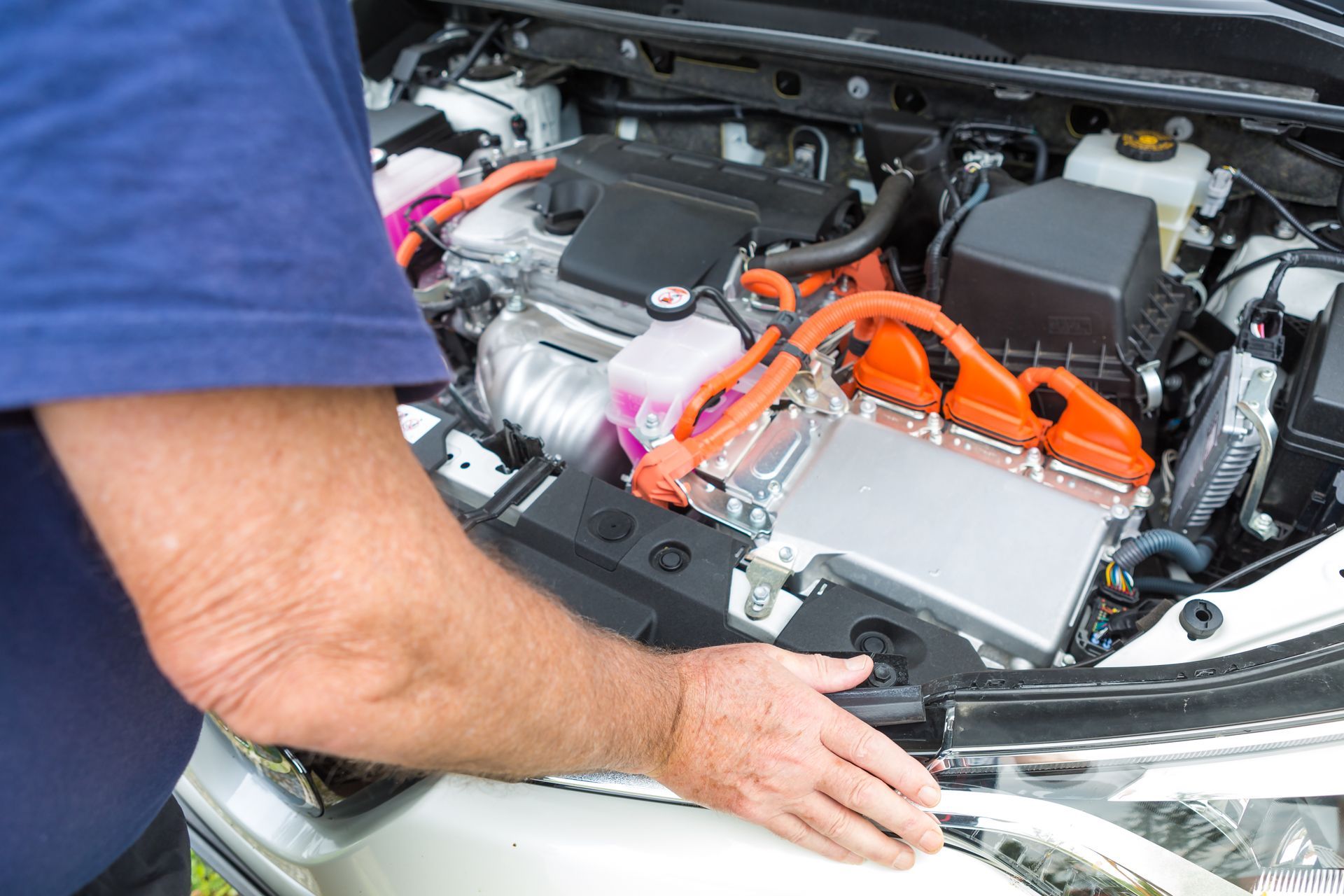
Once you are somewhere safe, you can do a few quick checks without tools. These will not fix the problem, but they can help you decide whether to shut it off and how urgent it is. Keep the engine bay check brief and avoid touching anything hot.
- Check the temperature gauge on the dashboard and make sure it is not climbing.
- Listen for a strong, uneven shake at idle that suggests a misfire is active.
- Notice any fuel smell around the front of the vehicle after you stop.
- If the engine cover is easy to remove, look for anything obviously loose, like an intake hose clamp.
If the temperature is rising or the smell is strong, shut the engine off. If the engine is running rough enough that it feels like it might stall, towing is usually the smarter call.
What Driving Can Damage When You Ignore It
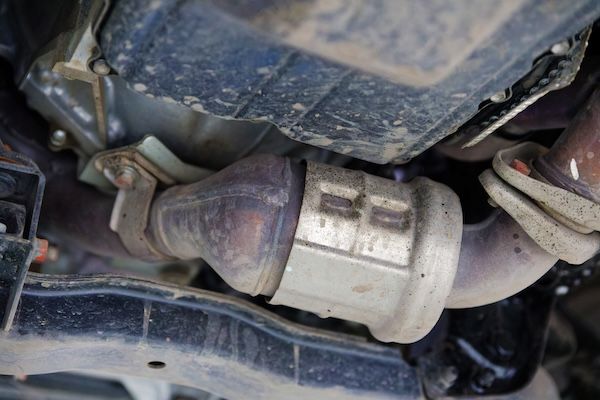
The big risk is the catalytic converter. When a cylinder misfires, unburned fuel can reach the exhaust and overheat the converter. That damage can happen faster than most drivers expect, and once a converter is compromised, the repair bill is rarely small.
There is also the drivability and safety angle. A severe misfire can reduce power at the exact moment you need it, like merging or crossing an intersection. Even if you can keep it running, it is not worth forcing it through traffic if it is stumbling.
What A Shop Will Check To Fix It For Good
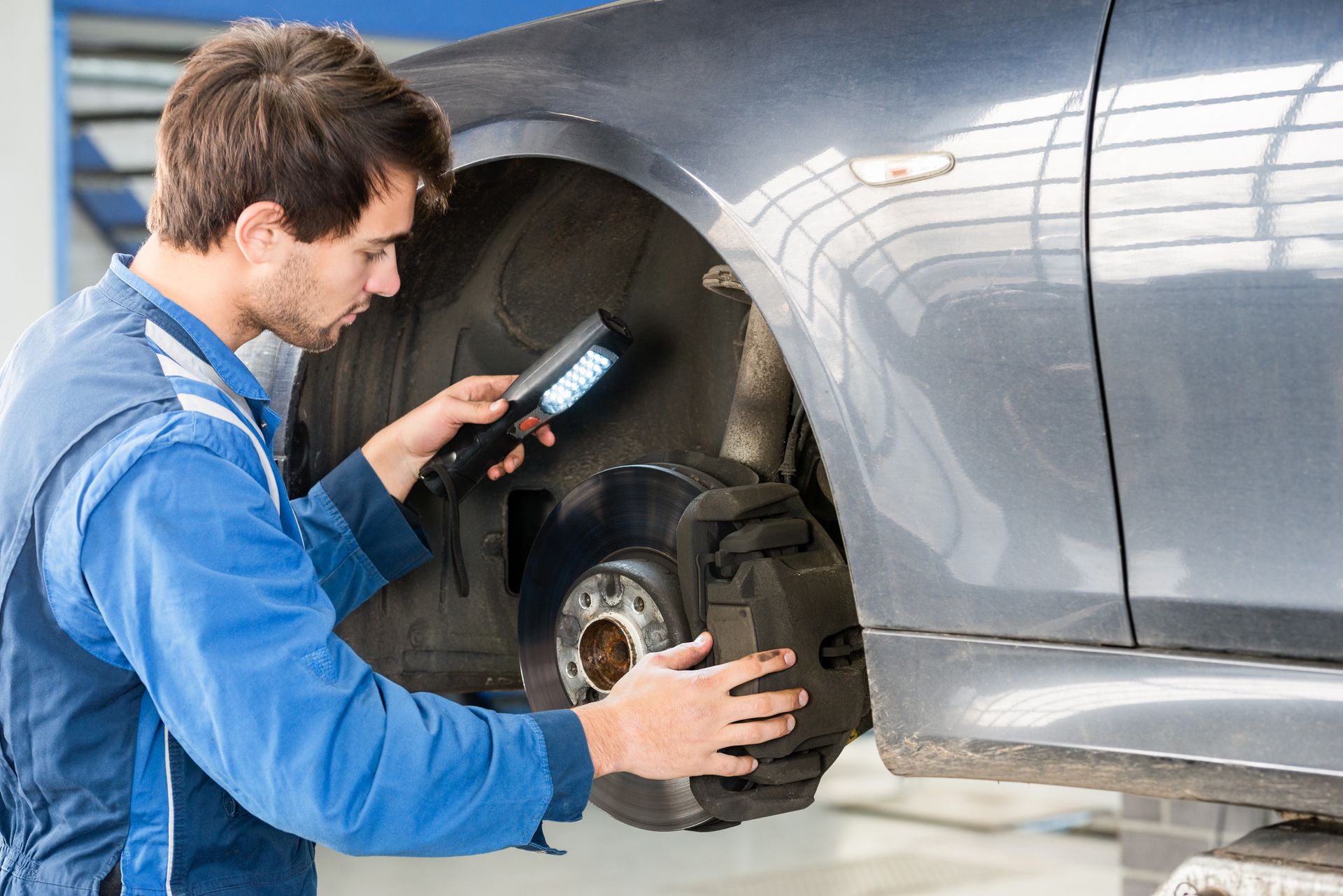
The first step is confirming what the computer saw and whether the misfire is isolated to one cylinder or spread across multiple. From there, the tech will verify ignition health, check for air leaks, and confirm the engine is getting the right fuel and airflow under load.
This is also a place where regular maintenance makes a difference. If plugs are overdue or the air filter has been neglected, the engine has less margin and small problems turn into bigger ones. A focused inspection will also look for the reason the issue started, not just the part that failed, so it does not come back a week later.
Get Flashing Check Engine Light Help In Van Nuys, CA, With Sean's Auto Care
Sean's Auto Care in Van Nuys, CA, can identify what triggered the flashing light and get you a clear repair plan that protects your engine and exhaust system.
Call ahead if the light is flashing and the car is running rough.