
EV range can be frustrating when it drops faster than expected. One week the vehicle feels predictable, and the next week the estimated miles seem lower, the battery drains quicker, or the car needs charging sooner than normal. Some range changes are tied to weather and driving habits, but the vehicle itself can also contribute to the problem.
Electric vehicles still need maintenance and repair. They have fewer traditional engine parts, but tires, brakes, cooling systems, software, battery health, and electrical components all affect how far the vehicle can travel on a charge.
1. Low Tire Pressure Or Uneven Tire Wear
Tires have a significant effect on EV range because rolling resistance directly affects how much energy the vehicle consumes. Low tire pressure makes the tires flex more, build heat, and create extra drag. That forces the vehicle to use more battery power to travel the same distance.
Uneven tire wear can create similar trouble. EVs are heavier than many gas vehicles due to their battery packs, and their instant torque can be hard on tires. Our technicians check tire pressure, tread pattern, alignment clues, and tire condition because tire problems can quietly take miles away from every charge.
2. Wheel Alignment Problems
A vehicle that is out of alignment does not roll as freely as it should. The tires may drag slightly against the road instead of tracking straight. That extra resistance hurts range and can wear tires faster than expected.
Drivers may notice pulling, a crooked steering wheel, or uneven tread wear, but sometimes the only clue is reduced efficiency. If the EV has hit a pothole, a curb, or a rough road, the alignment should be checked. A proper inspection can tell whether the issue is alignment alone or worn suspension parts that are keeping the vehicle from holding alignment correctly.
3. Battery Cooling System Issues
EV batteries need temperature control to work properly. Too much heat or cold can reduce performance, charging speed, and range. Many EVs use liquid cooling systems with pumps, coolant, hoses, sensors, and control units to keep battery temperature within the right range.
If that system is not working correctly, the vehicle may limit power or charging to protect the battery. Warning messages, reduced fast-charging performance, coolant leaks, or unusual range drops can all point toward a battery cooling concern. This is not a system to ignore because battery health depends heavily on temperature control.
4. Brake Drag Or Regenerative Braking Problems
EVs use regenerative braking to recover energy as they slow down. When the system works correctly, it helps improve range and reduces wear on traditional brake parts. If regen feels weaker than normal or the vehicle coasts differently, the system may need attention.
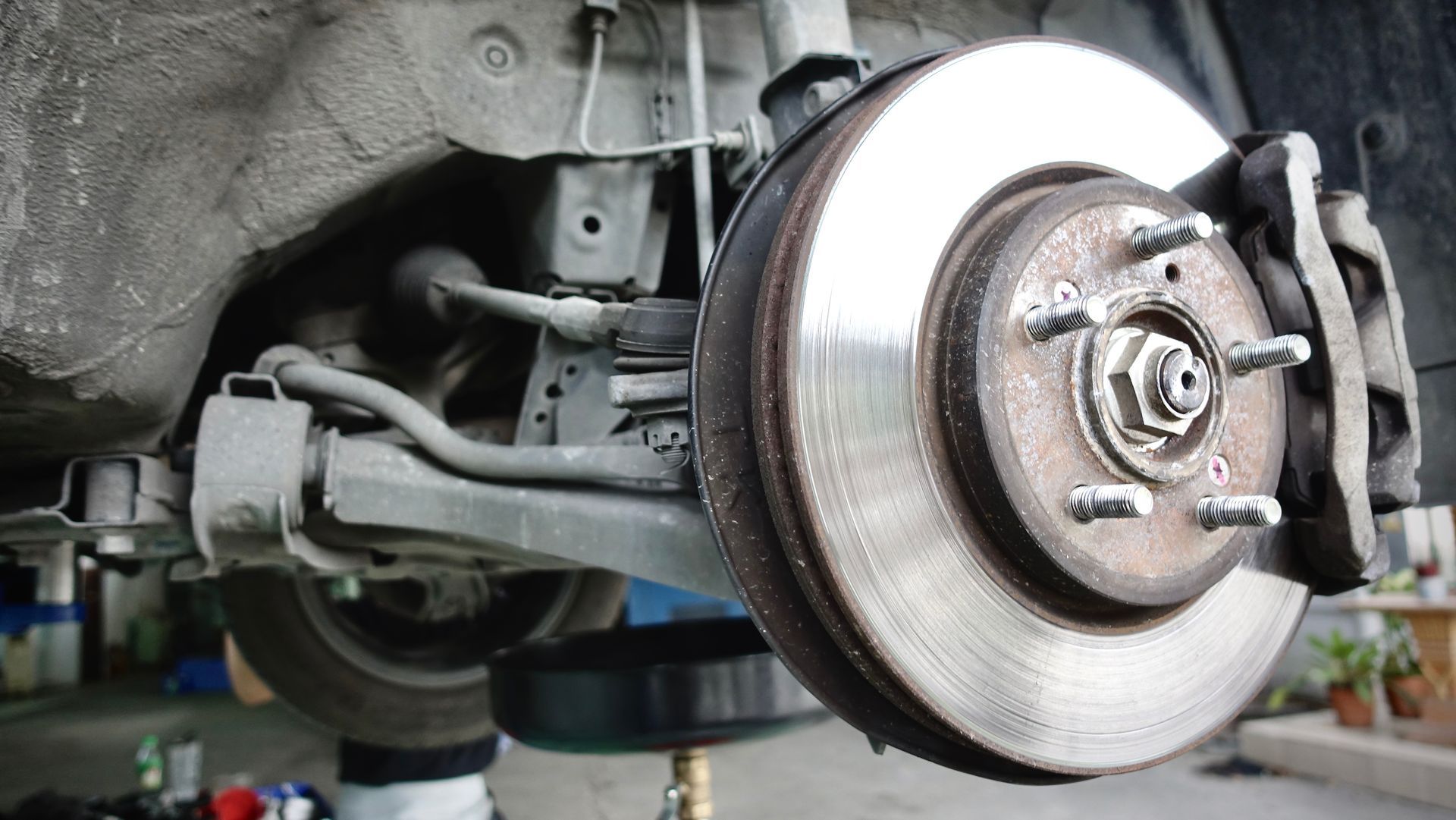
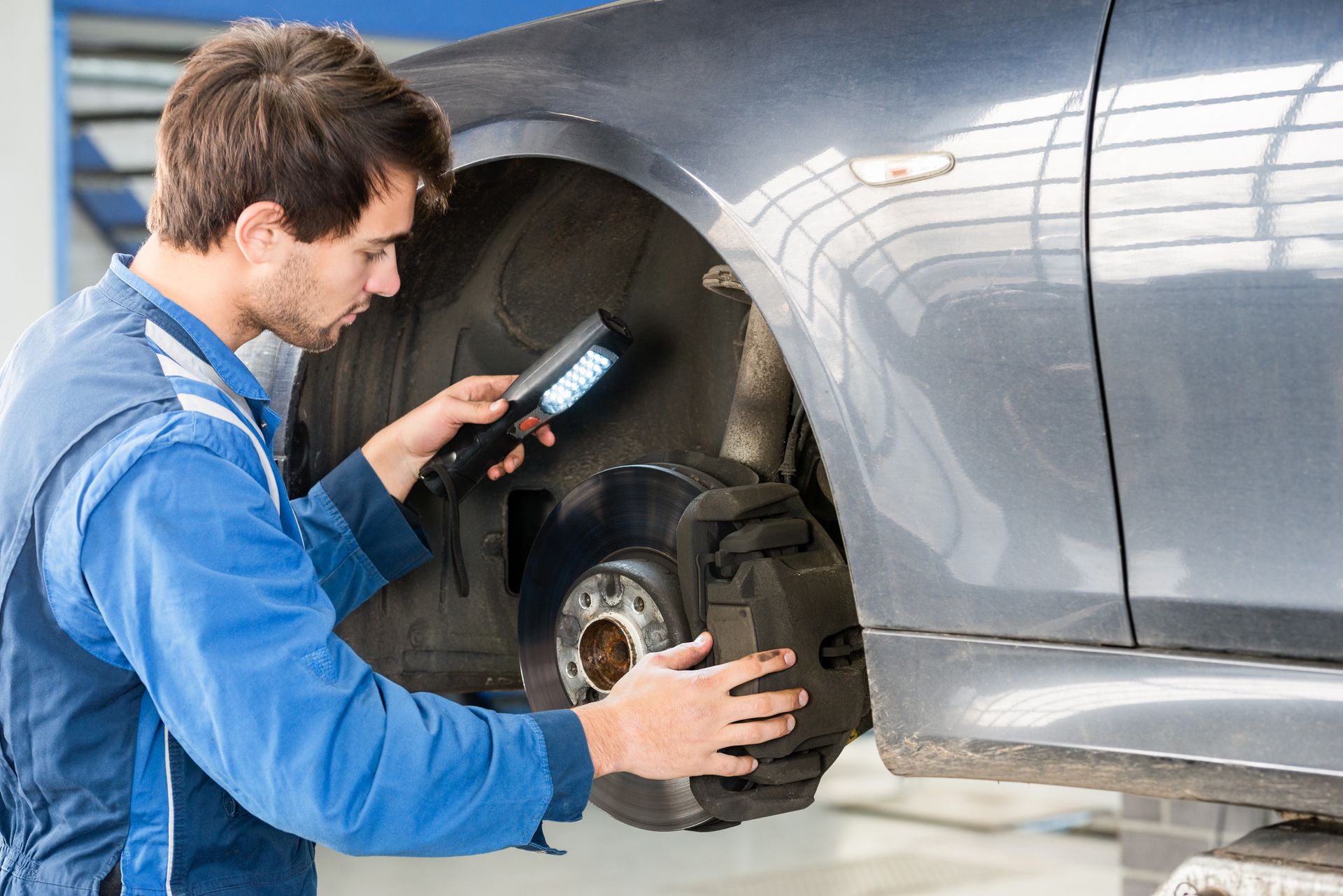
Brake drag is another range killer. A sticking caliper, rusty brake hardware, or parking brake issue can hold one wheel back slightly. Because EV brakes may be used less aggressively in daily driving, corrosion and sticking parts can still show up even when the pads have plenty of life left. We look for heat, uneven wear, and drag when checking range complaints.
5. Software Or Sensor Problems
EVs rely heavily on software and sensor data. Battery management, motor control, charging behavior, climate control, regenerative braking, and range estimates all depend on accurate information. If a sensor is reading incorrectly or the software needs attention, the vehicle may behave less efficiently.
Sometimes the range estimate changes because the car is learning from recent driving habits. Other times, a fault can affect how the vehicle charges, cools the battery, or manages power. Diagnostics help separate a normal estimate change from a repair issue that is affecting real efficiency.
6. Climate Control And Accessory Load
Heating and cooling the cabin can use a noticeable amount of battery power. Cabin heat, heated seats, defrosters, A/C, and battery conditioning all affect range, especially during very hot or cold weather. Some range loss in extreme temperatures is normal.
The concern is when the system works harder than it should. A weak cabin air filter, an HVAC fault, a cooling fan issue, a heat pump problem on equipped models, or a battery conditioning problem can increase energy use. Regular maintenance helps keep airflow and climate systems from wasting power while the EV is already working against weather conditions.
Why EV Range Problems Need A Full Check
Range loss can come from several small issues stacking up at once. Slightly low tire pressure, poor alignment, cold weather, heavy HVAC use, and a sticky brake can all reduce efficiency. That is why looking at only the battery does not always give the full answer.
A good EV range check should include tires, alignment, brakes, cooling system condition, diagnostic data, charging behavior, and driving pattern. The goal is to determine whether the range drop is normal for the conditions or if the vehicle has a repair or maintenance issue that needs attention.
Get EV Repair And Maintenance In Van Nuys, CA, With Sean's Auto Care
If your EV range has dropped, charging feels different, or the vehicle is using more battery than usual, Sean's Auto Care in Van Nuys, CA, can inspect the tires, brakes, cooling system, and related systems to find the cause.