
A vibration that shows up at idle can make a car feel older than it really is. The steering wheel buzzes, the seat shakes, the dashboard rattles, or the whole vehicle feels rough while stopped at a light. Many drivers immediately think the engine is running badly, but the engine itself may not be the only thing to blame.
Engine mounts are one common cause of vibration, but they are not the only cause. A misfire, worn suspension part, bad tire, loose exhaust component, damaged axle, or transmission issue can create a similar feeling from the driver’s seat. The real question is whether the engine is actually running rough or whether normal engine movement is no longer being absorbed properly.
What Engine Mounts Actually Do
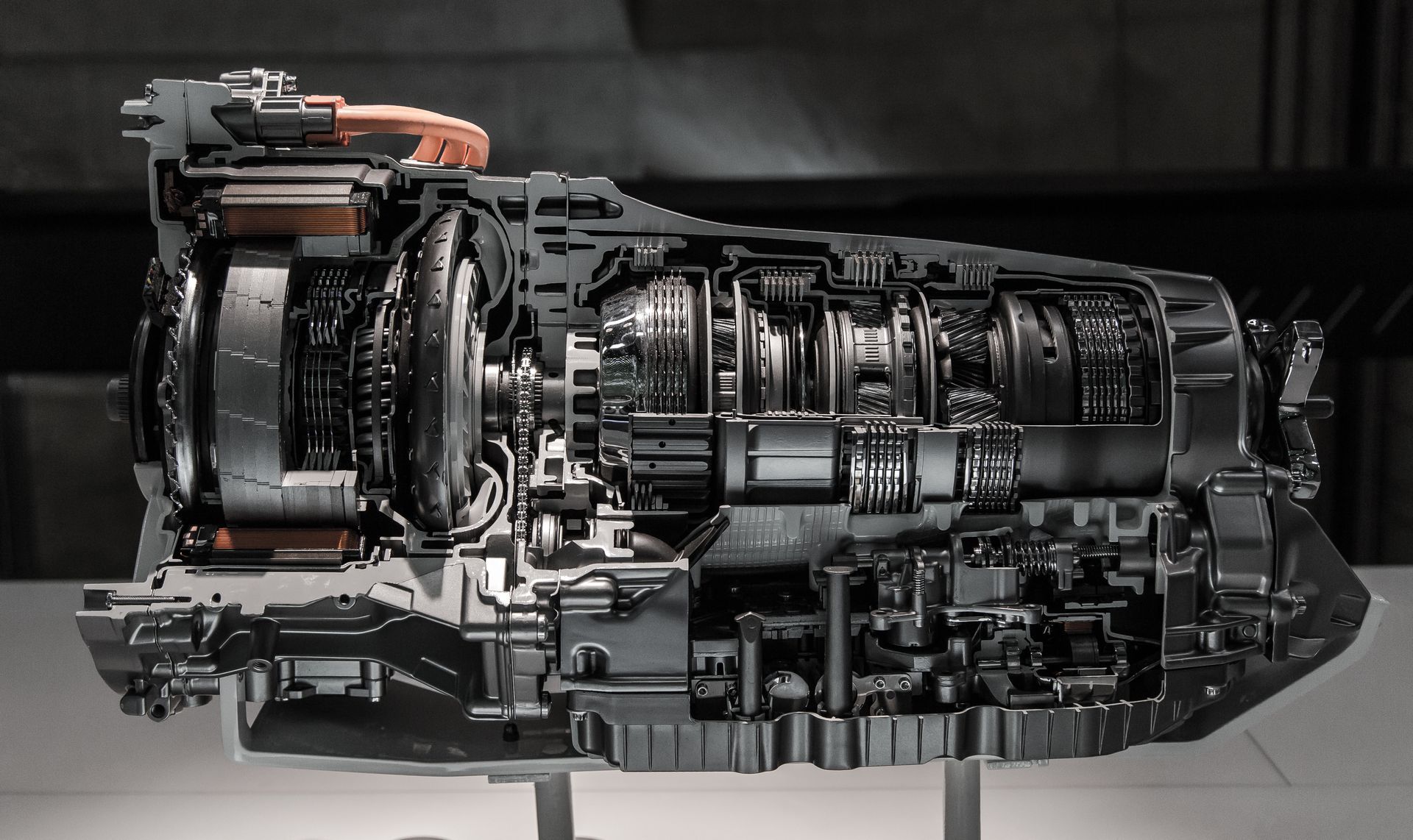
The engine is heavy, and it moves every time it runs. Combustion, acceleration, shifting, and braking all create movement through the engine and transmission. Engine mounts hold that weight in position while absorbing vibration before it reaches the cabin.
Most mounts use rubber, hydraulic fluid, or a combination of materials to cushion movement. Some vehicles also use electronically controlled mounts that change firmness depending on engine load and driving conditions. No matter the design, the mount has two jobs: keep the engine secure and keep normal vibration from bothering the driver.
When a mount wears out, cracks, collapses, leaks, or separates, the engine can move too much. The vibration that used to be absorbed starts traveling through the frame, steering wheel, floor, and dashboard.
Signs An Engine Mount Is Failing
A bad engine mount may cause a rough idle, especially when the vehicle is in drive or reverse with your foot on the brake. The vibration may feel worse with the A/C on because the engine has a little extra load.
A worn mount can also create a thump when shifting from park to drive or reverse. That sound comes from the engine or transmission moving more than it should when torque changes. Some drivers describe it as a bump, knock, or dull clunk from under the hood.
Another clue is movement during acceleration. If the vehicle jerks, rocks, or feels like the engine shifts before the car responds, the mounts deserve attention. In severe cases, nearby hoses, wiring, exhaust components, or intake tubes can become stressed when the engine no longer stays where it belongs.
Why Bad Mounts Feel Like Other Problems
Engine mount problems are easy to confuse with engine performance problems. A misfire makes the engine run unevenly. A bad mount can make a normally running engine feel uneven from inside the cabin. Both can cause shaking, but the cause is different.
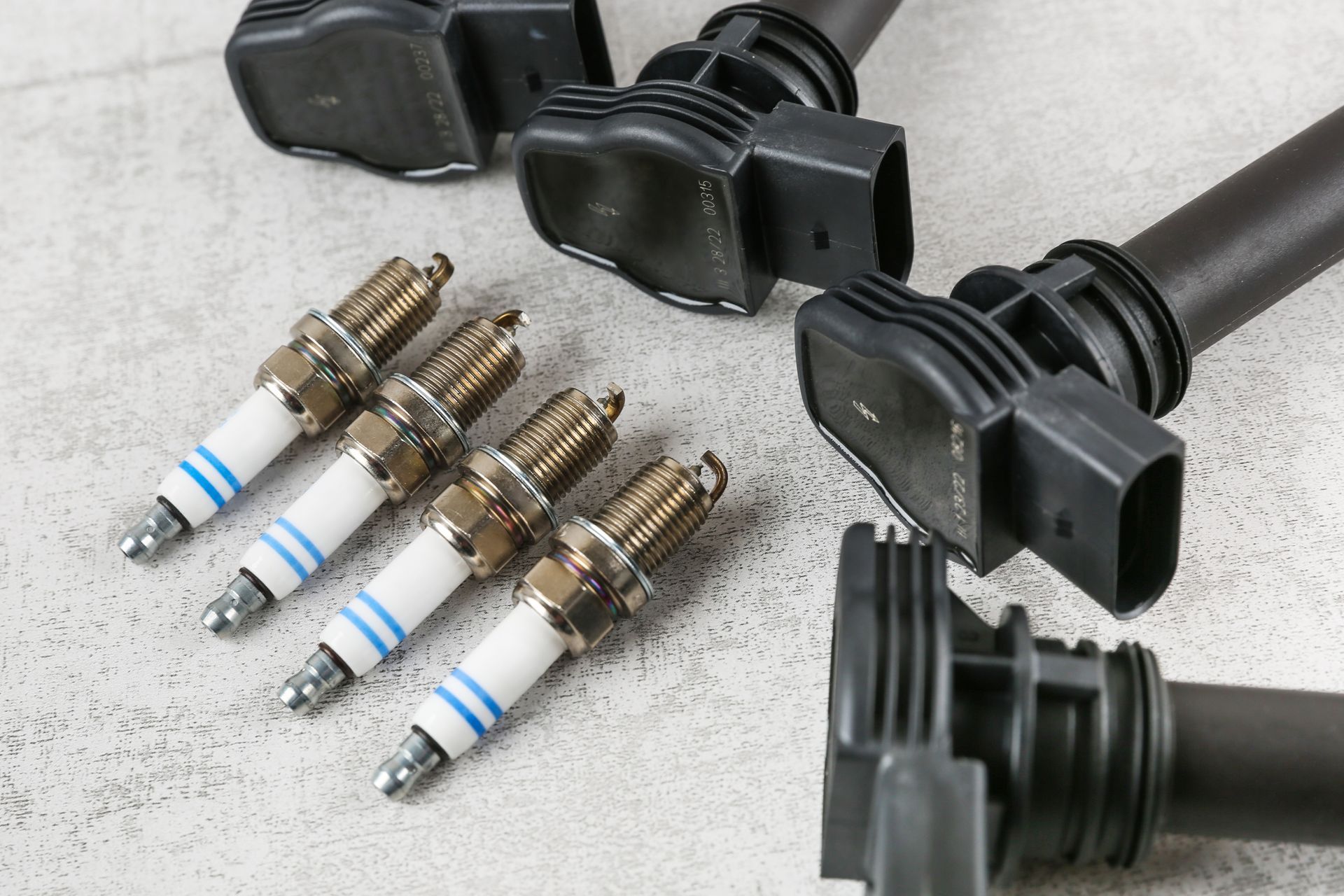
That difference matters. Spark plugs, coils, fuel injectors, and sensors will not fix a collapsed mount. On the other hand, replacing mounts will not fix an engine that is misfiring. The symptoms overlap, so testing has to separate vibration from rough engine operation.
One useful clue is whether the engine itself sounds uneven. If the RPM moves around, the check engine light is on, or the engine stumbles during acceleration, the vibration may be tied to performance. If the engine runs smoothly but the cabin shakes severely, the mounts become more suspect.
Other Common Causes Of Vehicle Vibration
Engine mounts are only one possibility. Tires can cause vibration when they are out of balance, worn unevenly, damaged, or out of round. That vibration is more likely to show up while driving at certain speeds rather than only at idle.
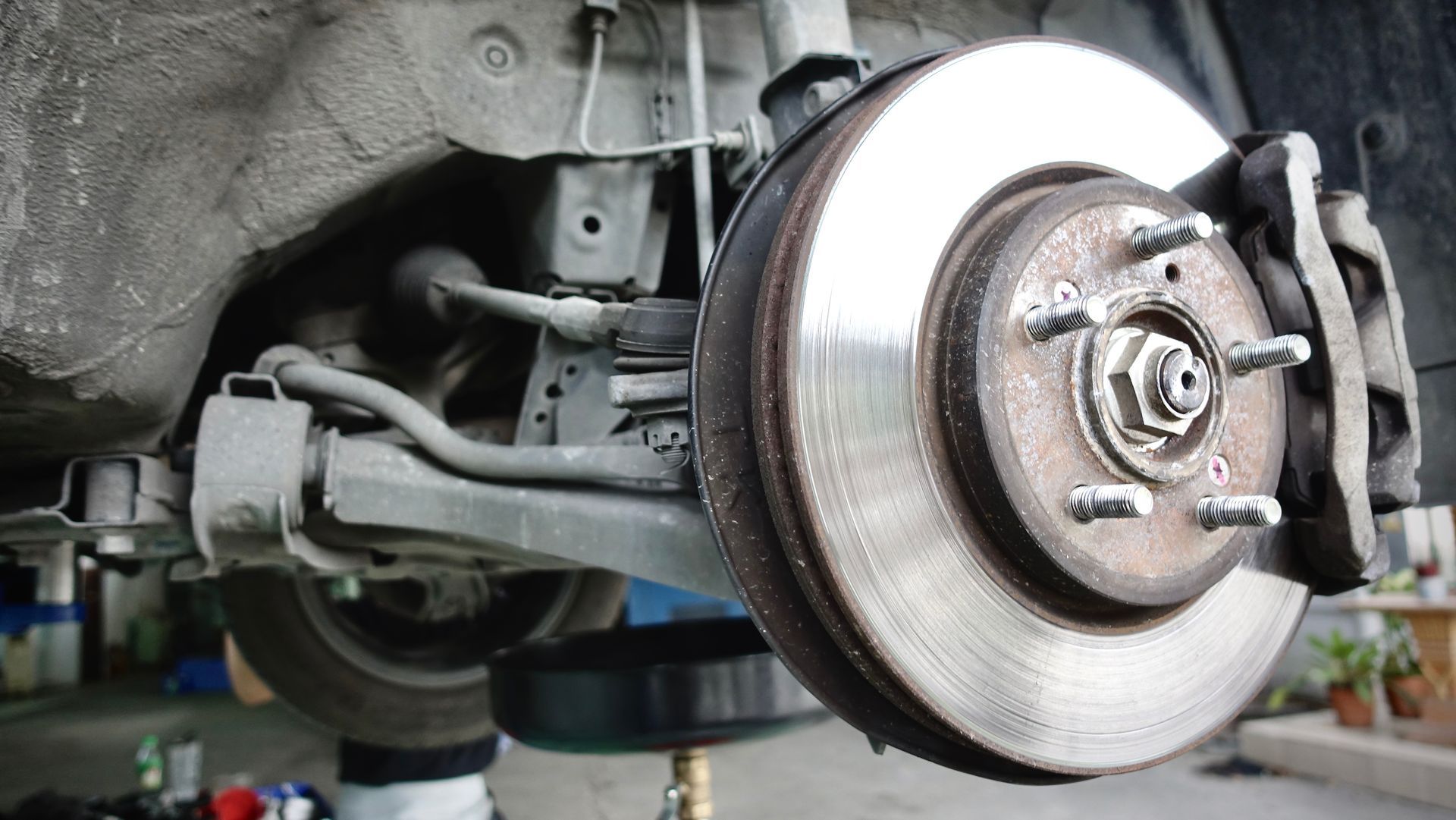
Suspension and steering parts can also create shaking or looseness. Worn control arm bushings, tie rods, ball joints, shocks, struts, or wheel bearings can make the vehicle feel unstable, especially over rough roads or during braking. A vibration that changes with road speed often points away from engine mounts and toward rotating or chassis parts.
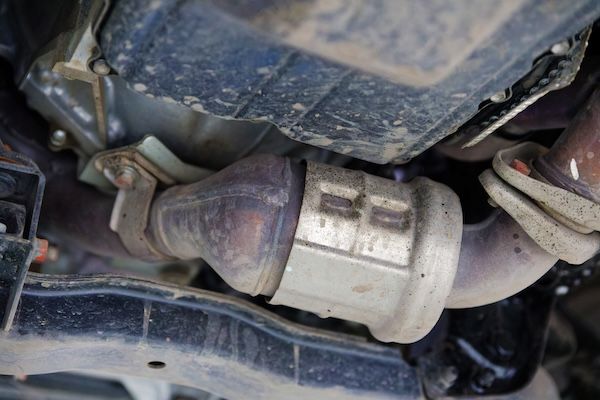
Axles and drivetrain parts can create vibration during acceleration. A worn CV axle, damaged inner joint, bad U-joint, or driveline issue may feel worse when power is being applied. Exhaust parts can rattle or buzz if a hanger, shield, or bracket breaks and allows metal to touch the body.
How Technicians Separate Mounts From Other Causes
A proper inspection starts with the pattern. Does the vibration happen at idle, while braking, during acceleration, at highway speed, or only when shifting into gear? Each situation points toward different parts.
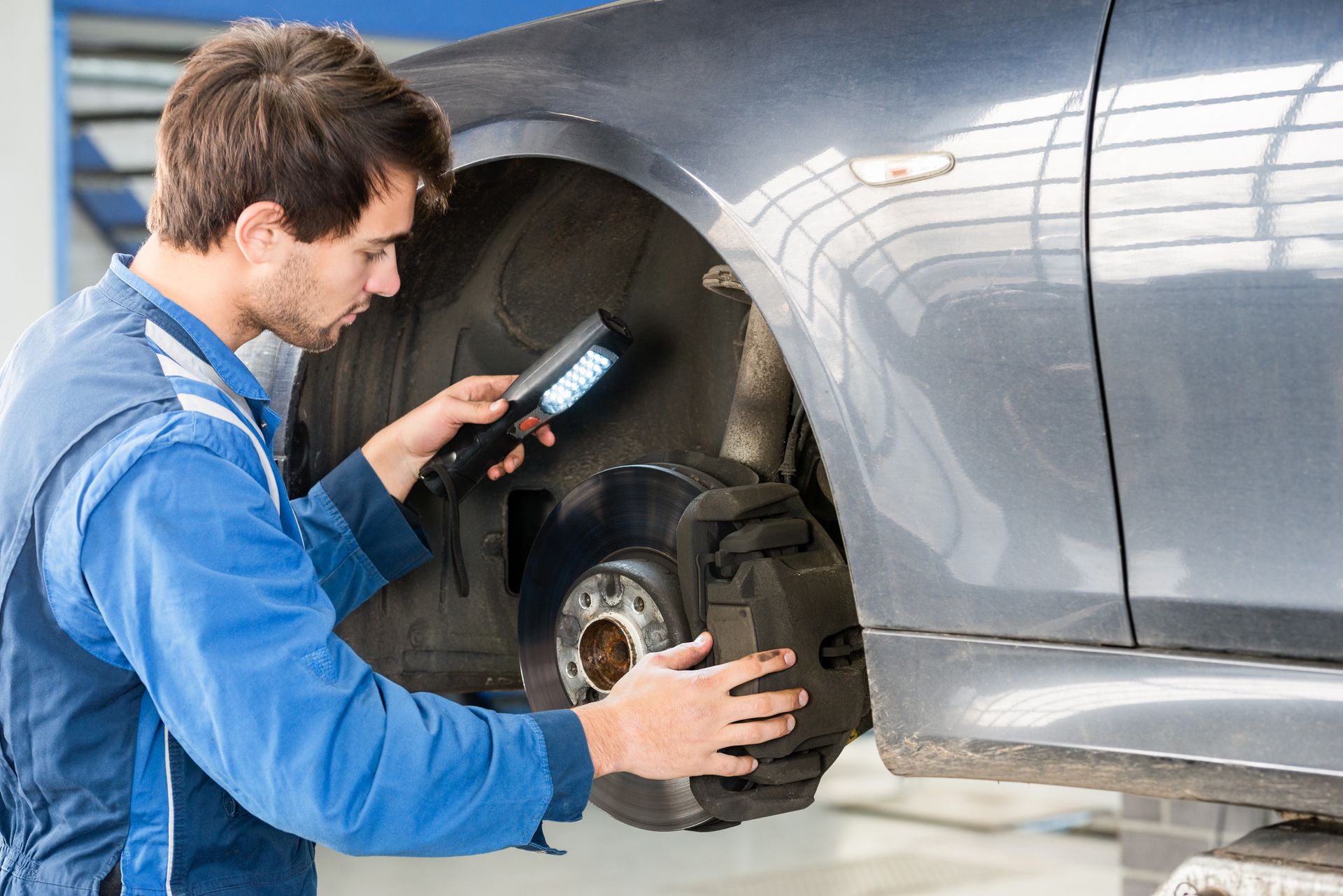
The mounts can be checked visually for cracked rubber, leaking hydraulic fluid, separation, collapsed height, or excessive movement. The engine may also be observed during a controlled load test to see whether it rocks more than it should. Care must be taken here, as engine movement testing should be conducted safely and correctly.
At the same time, the engine’s running condition should be checked. Misfire data, idle speed, scan tool information, spark plug condition, fuel trim numbers, and warning lights help show whether the engine is shaking because it is running poorly. Tires, suspension, axles, and exhaust parts should also be checked if the vibration appears while driving.
Why Delaying Mount Repair Can Create More Trouble
A worn mount does more than make the car feel rough. Extra engine movement can stress other parts. Hoses can stretch. Wiring can tug. Exhaust flex sections can crack. Intake tubes can loosen. Other mounts can wear faster because they are carrying loads they were not meant to handle alone.
The repair also becomes harder to judge if the problem is ignored for too long. One bad mount can turn into multiple weak mounts. A small vibration can become a louder clunk. A rough idle complaint can become a mix of mount wear, tire wear, and driveline movement.
Regular maintenance helps catch worn rubber parts, leaks, and vibration changes before they stack together. If the vehicle has started shaking, clunking, or feeling rough, the best next step is to find the source rather than assume the engine is failing.
Get Engine Mount And Vibration Diagnostics In Van Nuys, CA, With Sean's Auto Care
If your vehicle shakes at idle, clunks when shifting, vibrates during acceleration, or feels rough even when the engine seems to run normally, Sean's Auto Care in Van Nuys, CA, can inspect the engine mounts and check other possible causes of vibration.
For engine mount and vibration diagnostics before a small shake turns into a larger repair,
contact us to schedule an appointment.