
An SUV spends years carrying people, cargo, and sometimes a trailer. Eventually, the small changes become familiar: a brake squeal, a clunk over a driveway, or air conditioning that takes longer to cool the cabin. The vehicle may still do its job, but those symptoms can point toward wear or a developing fault.
There isn't one repair ranking that applies to every SUV. Model, age, drivetrain, and use change what needs attention. These ten common repair categories give Van Nuys owners a useful way to understand the systems behind everyday complaints and what to check before replacing parts.
1. SUV Brake Pad, Rotor, And Caliper Repairs
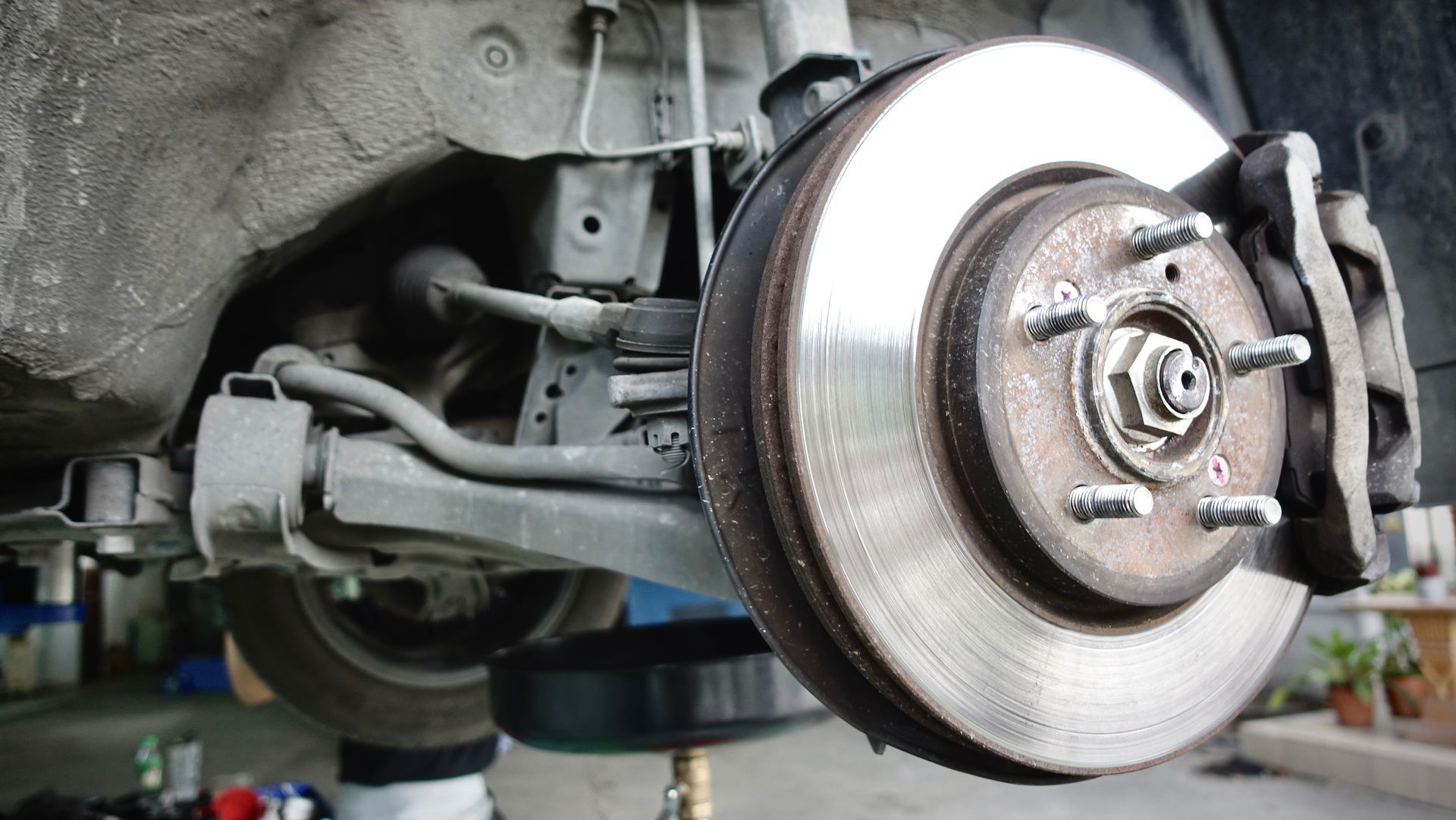
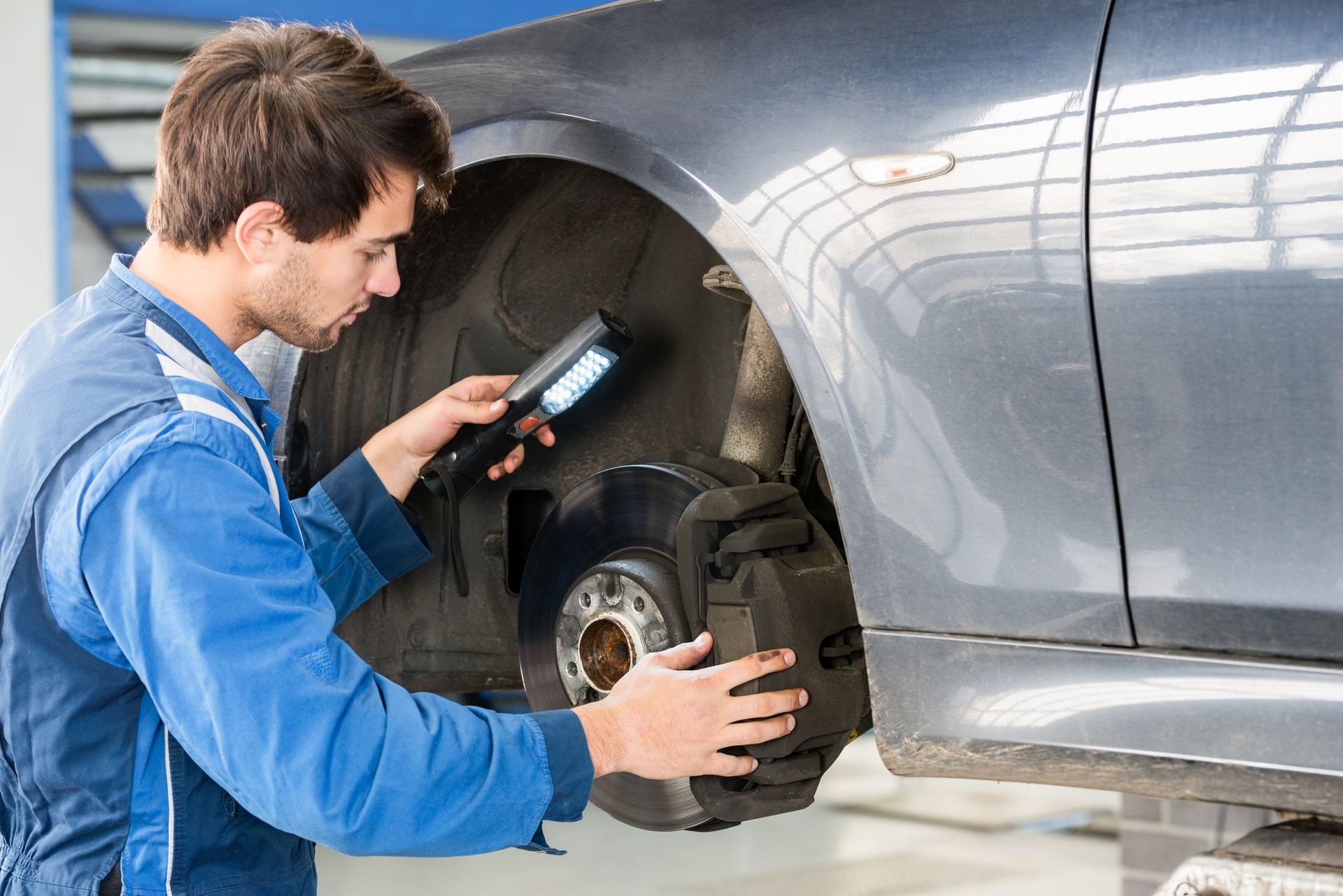
Brakes work against the vehicle's weight and speed every time you slow down. Worn pads, rotor issues, or a caliper that doesn't release properly can cause noise, vibration, pulling, or changes in pedal feel. The inspection should compare the friction components, hardware, and hydraulic operation together. Replacing pads alone won't correct a dragging caliper, and squealing doesn't identify pad wear without checking the actual condition of the braking system.
2. SUV Tire Repairs And Replacement
Punctures, uneven tread wear, damage, and age-related deterioration can all lead to tire service. Repairability depends on the location and extent of damage and the tire's condition. All-wheel-drive SUVs may also have requirements for matching tire circumference or tread depth. A single damaged tire therefore needs to be considered alongside the other three. Correct pressures and suitable fitment help preserve handling rather than treating replacement as a size-only purchase.
3. SUV Suspension And Steering Repairs
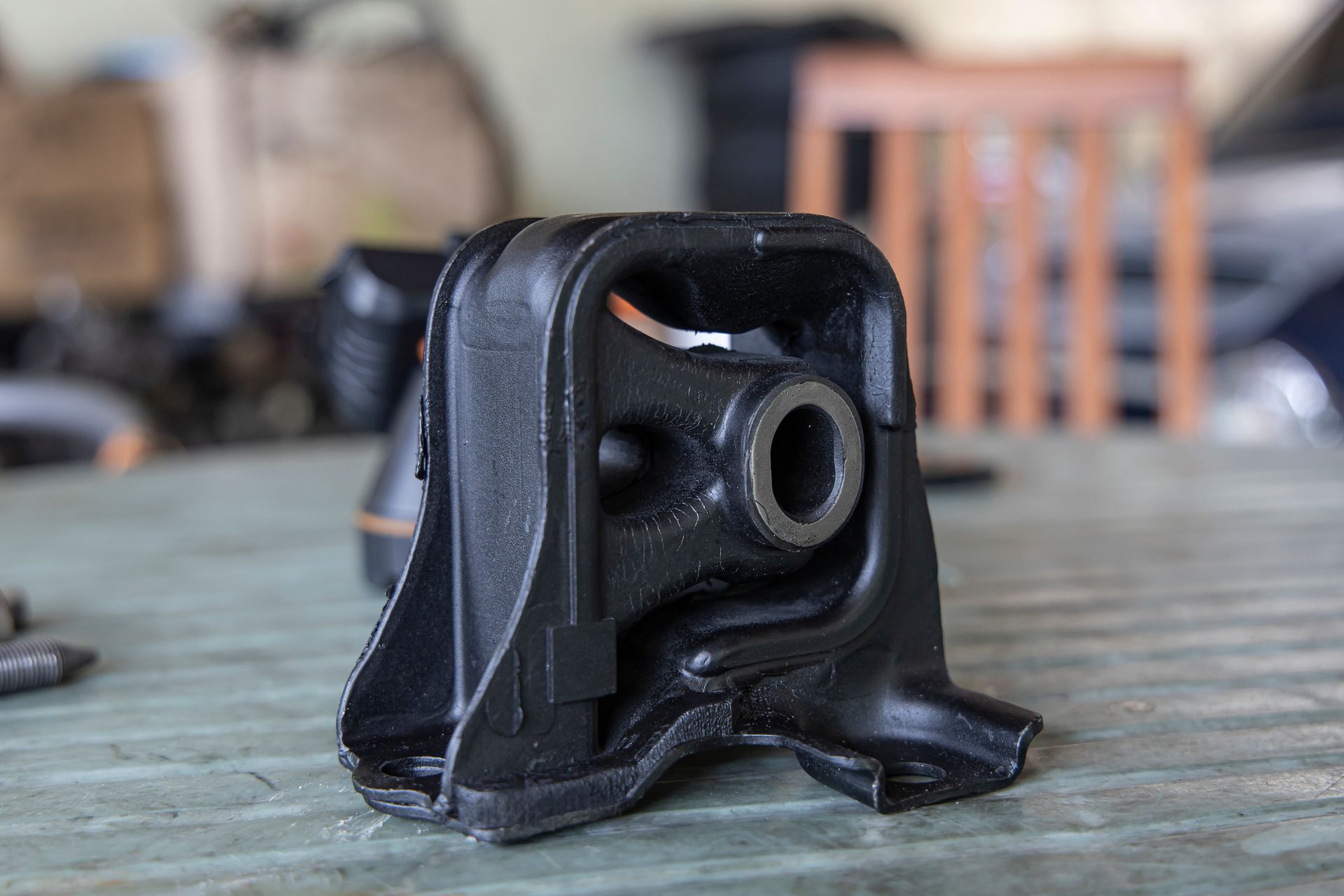
Shocks, struts, bushings, joints, and steering components can wear gradually. You may notice bouncing, clunks, wandering, or an uneven tire-wear pattern before a component is obviously damaged. The sound's location isn't always its source, so inspection should identify movement, wear, or leakage before choosing a repair. Depending on the work and vehicle, you may need alignment checks or other setup procedures afterward to restore intended operation.
4. SUV Wheel Bearing Replacement
A worn wheel bearing can produce a hum or growl that changes with road speed or loading. Tire noise and driveline sounds can overlap, making confirmation useful before a hub is replaced. Some assemblies also interact with wheel-speed sensing, so a bearing-area concern can appear alongside a safety-system warning. The technician needs to identify the affected component and check related hardware, rather than assume every highway hum means the same repair.
5. SUV Cooling System Repairs
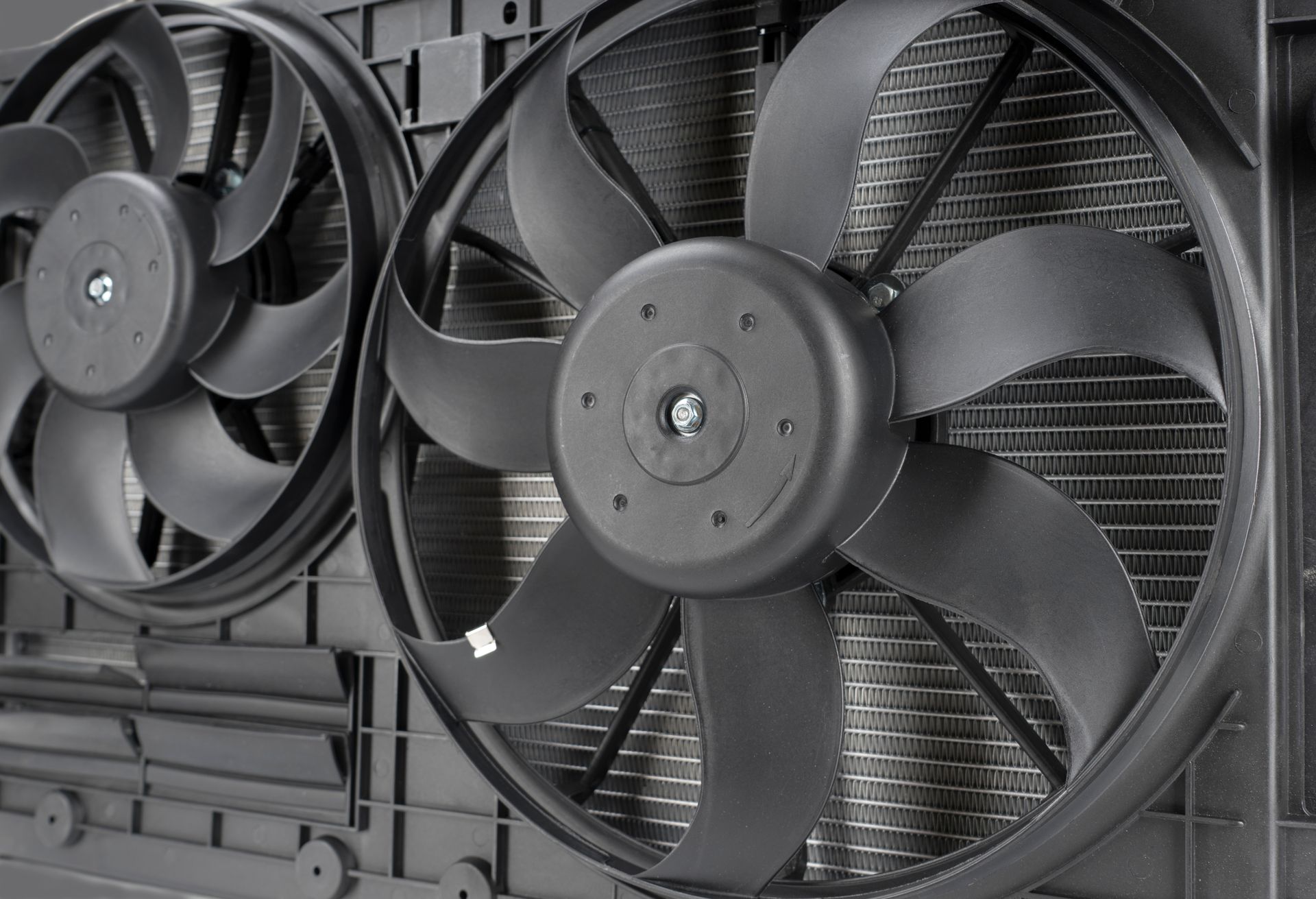
Radiators, hoses, water pumps, thermostats, and connections can develop leaks or operating faults. A falling coolant level, residue, or coolant smell may appear before the engine overheats. The repair should address the source and use the correct coolant and filling procedure. If an overheating warning occurs, stop safely and follow the manual. Continued driving can turn a cooling problem into additional engine damage, even when the original leak seemed small.
6. SUV Engine Oil Leak Repairs
Oil can escape through seals, gaskets, or other connections, with the repair location varying by engine. A spot under the vehicle doesn't always identify the source because oil can travel along surfaces before dripping. Inspection should distinguish an external leak from oil consumption or another fluid. Topping off helps maintain the required level, but it doesn't complete the repair or replace routine oil service. Access requirements can also explain different repair prices.
7. SUV Battery And Charging-System Repairs
Slow cranking, repeated jump-starts, and electrical warnings can involve the battery, cables, starter, charging controls, or an unwanted drain while parked. Replacing a battery without checking the cause of discharge may leave the original problem in place. Some SUVs also require a specified battery technology and installation procedure. Testing should match the vehicle's equipment and operating conditions so the recommendation reflects measured performance rather than age or one dashboard symptom alone.
8. SUV Ignition And Engine-Performance Repairs
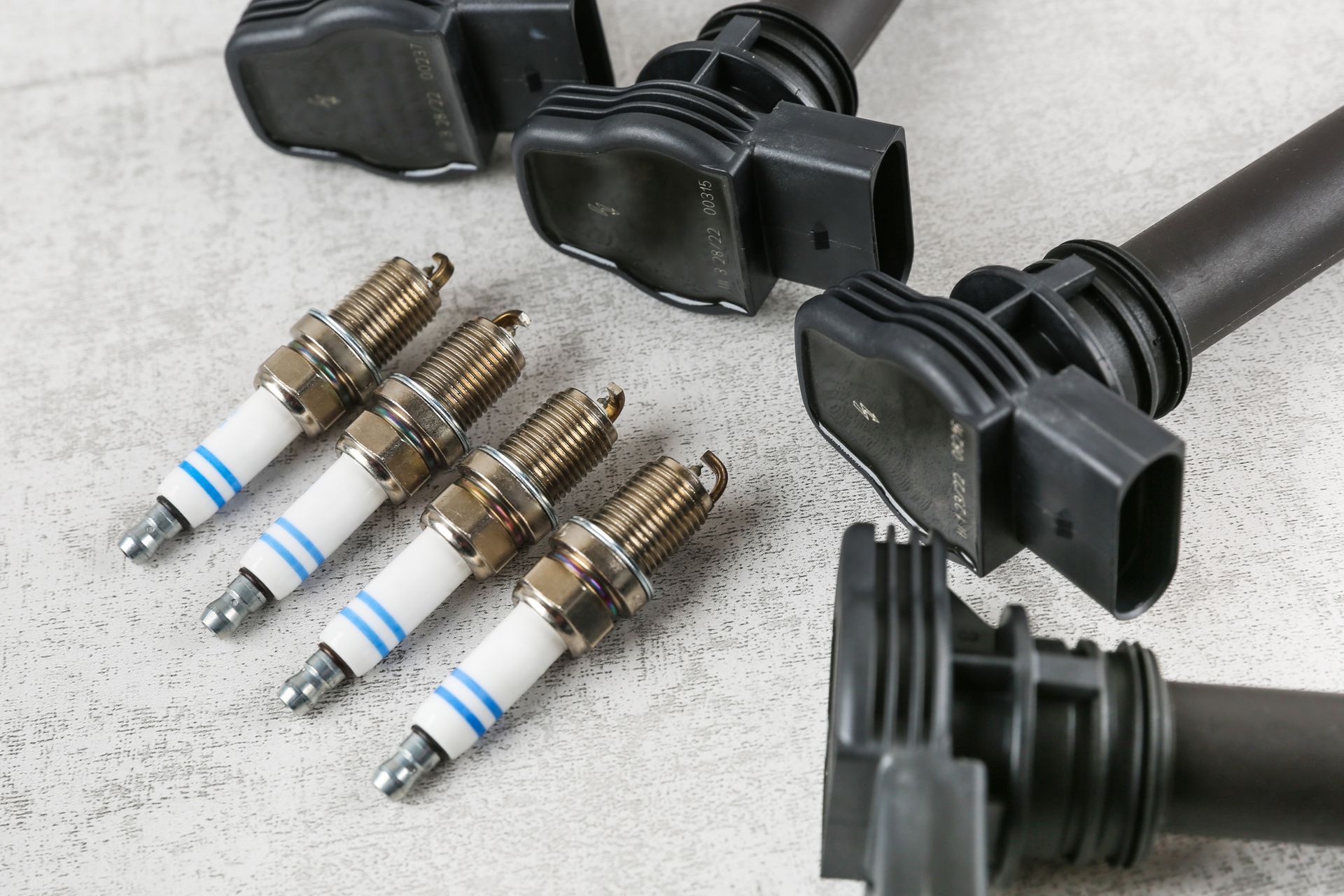
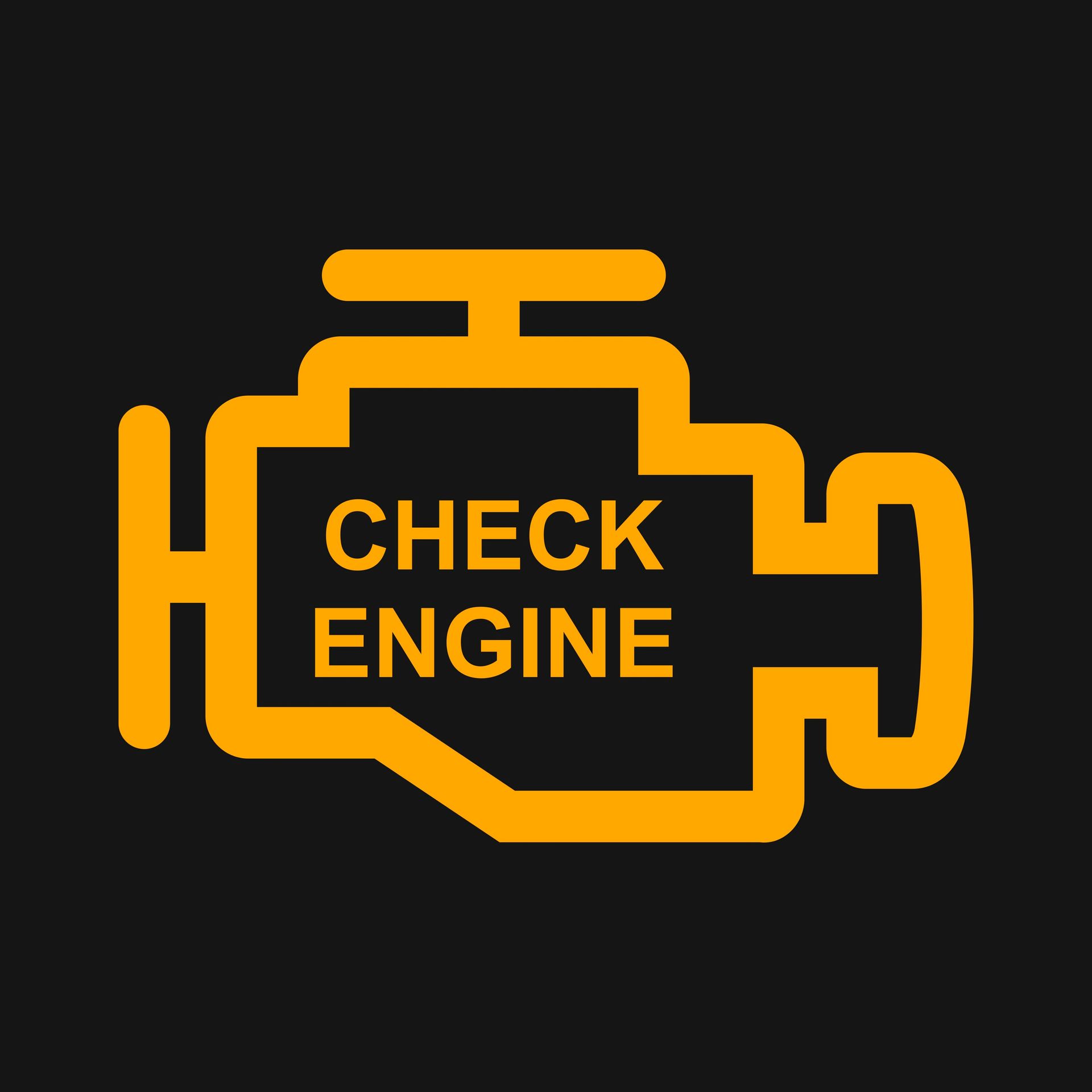
On gasoline models, worn spark plugs or failed ignition components can contribute to misfiring, but fuel, air, and mechanical faults can produce similar symptoms. Stored information and testing help distinguish the cause. Tell the shop whether the hesitation occurs at idle, during acceleration, or with a load. Severe shaking with a flashing check engine light calls for prompt action, following the manual, because continued operation can damage emissions components as well as leave performance compromised.
9. SUV Air Conditioning And Heater Repairs
Weak cooling, delayed heat, or poor airflow can come from different parts of the climate-control system. A refrigerant leak needs locating rather than repeated topping off, while weak cabin heat may involve coolant circulation or air-distribution controls. A clogged cabin filter can limit airflow without being the cause of every temperature complaint. Describe whether the problem affects airflow, temperature, one side of the cabin, or particular driving conditions to guide the inspection.
10. SUV Transmission And Driveline Repairs
Delayed engagement, harsh shifts, vibration, and leaks deserve checks suited to the transmission and drivetrain fitted. All-wheel-drive and four-wheel-drive SUVs can add transfer-case, differential, shaft, and axle concerns. Fluid service should follow the correct specification and procedure; it isn't a universal remedy for internal wear. A useful estimate identifies the confirmed fault and whether related maintenance or additional inspections are needed before the vehicle returns to normal use.
Prioritize SUV Repairs By Condition And Symptoms
Some work can be planned, while a serious braking, overheating, or lubrication concern may require stopping and arranging help. The urgency should follow the actual findings and symptoms. Ask which recommendation corrects your complaint, which addresses a safety concern, and which comes from the maintenance schedule.
Keep service records and describe changes early. A vehicle that feels different doesn't automatically need a long list of replacements. Clear observations, appropriate testing, and an explanation of the findings help you create a practical repair plan for your SUV and how you use it.
Get SUV Repair Service In Van Nuys, CA
Sean's Auto Care in Van Nuys, CA, can inspect SUV brake, tire, suspension, engine, climate-control, and driveline concerns. We can review your symptoms and maintenance history, explain the findings, and help you plan the work your vehicle needs.
Contact us to schedule an SUV inspection or discuss a repair concern.